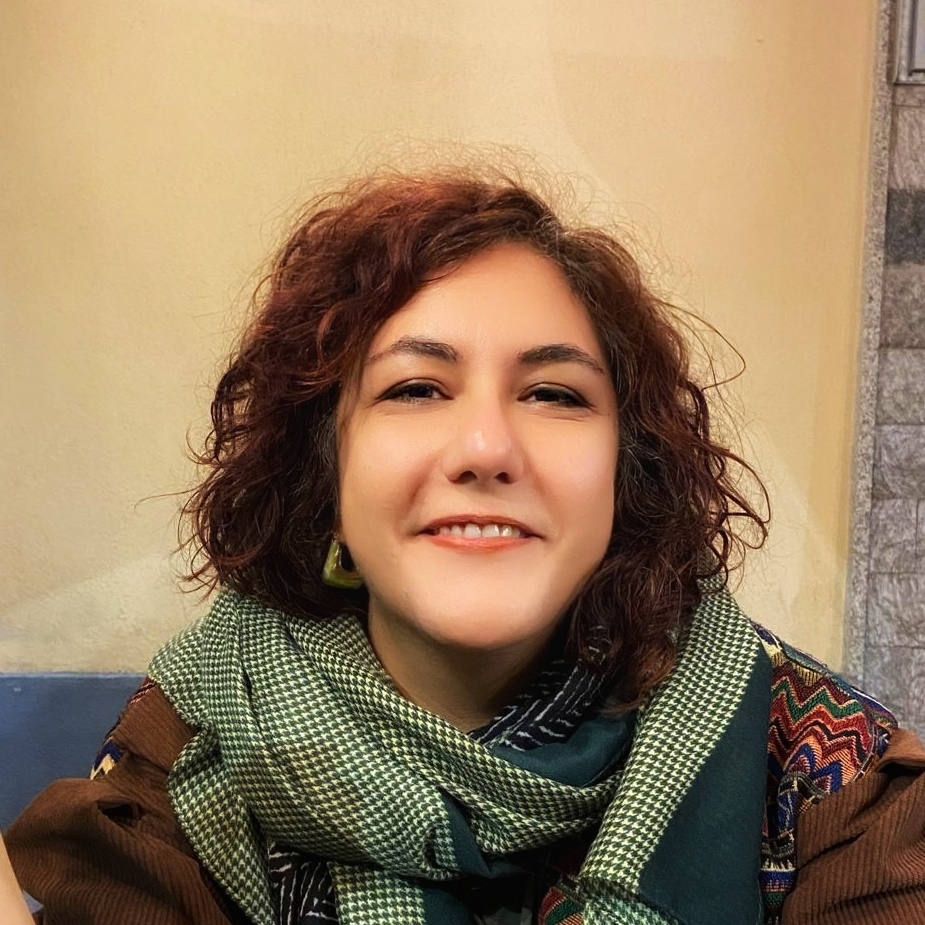
Miryam GRASSO
Miryam Grasso is Assistant Professor in Italian Philology (LIFI-01/B) at the Department of Humanities of the University of Catania. In 2019 she received her PhD in Literary, Philological-Linguistic and Historical-Cultural Studies from the University of Palermo (in partnership with the University of Catania), with a dissertation devoted to the critical edition of Cesare Pavese’s La luna e i falò, later published by Sinestesie (2020).
Her research focuses on authorial philology, textual criticism, and Digital Humanities, with particular attention to scholarly editing, the digital representation of texts, and encoding methodologies for digital scholarly publishing. Her main research interests include Italian literature of the nineteenth and twentieth centuries, with particular reference to Cesare Pavese, Luigi Pirandello, Federico De Roberto, and Luigi Capuana.
She is a member of the research team of the digital edition of the Opera Omnia of Luigi Pirandello and of the Scientific Board of the Centro di Informatica Umanistica (CINUM) at the University of Catania. She also collaborates with several scholarly series and editorial initiatives in the field of philological and literary studies.
Her publications include critical editions, studies in textual genetics, and contributions exploring the relationship between traditional philology and digital tools for the analysis and representation of literary texts.
Miryam Grasso’s research lies at the intersection of authorial philology, textual criticism, and Digital Humanities, with particular attention to the study of the genetic processes of writing and to the digital representation of literary texts. Within this framework, her work combines the analysis of textual variants and archival materials with the development of models for critical editions and digital encoding aimed at the scholarly publication and dissemination of texts. Her research primarily focuses on Italian literature of the nineteenth and twentieth centuries, with particular attention to the works of Cesare Pavese, Luigi Pirandello, Federico De Roberto, and Luigi Capuana. It develops both through studies in textual genetics and through the design and implementation of critical and digital editions, contributing to the dialogue between traditional philological methods and computational tools for the analysis and representation of literary texts.