
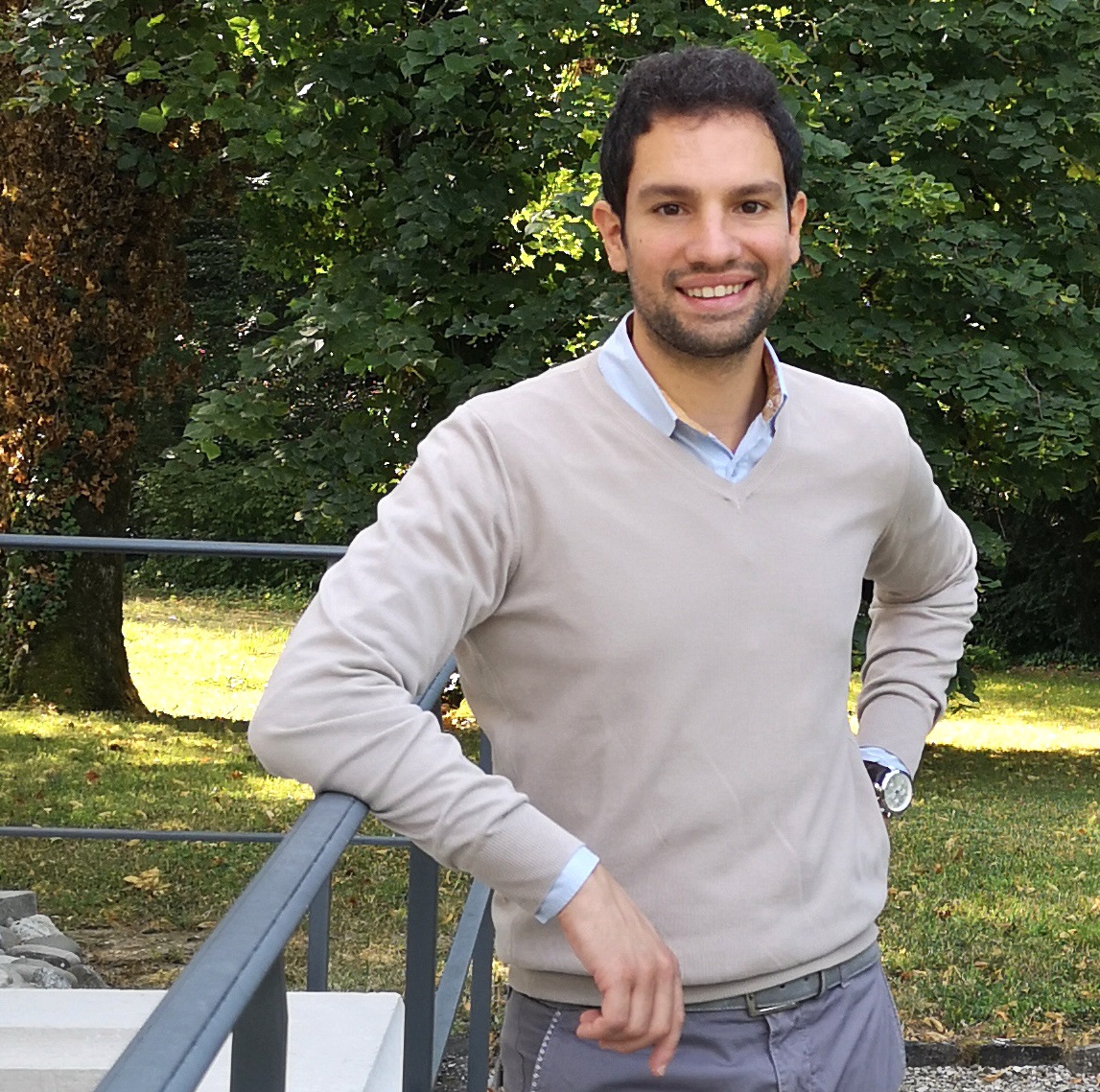
Alessio RUTA
Alessio Ruta is a tenure-track researcher (RTT) in Latin Language and Literature (SSD LATI-01/A) at the Dipartimento di Scienze Umanistiche, University of Catania. In 2013 he graduated with honours in Classical Philology from the University of Catania. In 2016 he obtained the Diploma in Greek Palaeography at the Scuola Vaticana di Paleografia, Diplomatica e Archivistica, with a grade of 30/30 cum laude, and in 2018 he earned a PhD in "Filologia e cultura greco-latina" from the University of Palermo. In 2020 he obtained the National Scientific Qualification (Abilitazione Scientifica Nazionale) for the position of Associate Professor in the Italian Academic Recruitment Sectors 10/D2 (Greek Language and Literature) and 10/D4 (Classical and Late Antique Philology), with a unanimous assessment by the committee; in 2023 he obtained the National Scientific Qualification for the position of Associate Professor in Sector 10/D3 (Latin Language and Literature), again with a unanimous assessment by the committee.
In 2015 he held a research fellowship at the Fondation Hardt pour l’étude de l’antiquité classique (Vandœuvres, Geneva), and from 2016 to 2019 he carried out scientific research at the Seminar für Klassische Philologie of Heidelberg University (Ruprecht-Karls-Universität Heidelberg), where in 2024 he served as Guest Professor. He has taken part as a speaker in numerous national and international conferences.
A member of the Association Internationale de Papyrologues (AIP), he also serves on the Commission for the Latin Language Certification for the Region of Sicily (CLL).
Last edit: 11/14/2025
His research interests range from the Greek and Latin novel and the paroemiographic tradition, as well as Latin poetry of the Imperial period and Late Antique epistolary prose. He has edited a critical edition, with commentary, of Book 1 of Zenobius’ Epitome proverbiorum, and has authored a rhetorical and philological commentary on Book 8 of the letter collection of Quintus Aurelius Symmachus.
He has also carried out research within projects on the Latin epistolary tradition and on the forms and functions of Oriental motifs in Ovid’s Metamorphoses (within the framework of the PRIN 2022 project “Roman Orientalism: Mapping Cultural Interactions through Latin Literature, 1st c. BCE – 2nd c. CE”).